Workplace air quality testing
Indoor Air Quality Testing & Sampling
Understand the air quality inside your building with professional indoor air quality testing and ventilation sampling from VW Compliance. We support commercial and public-sector organisations across Essex, London and throughout the UK, helping you investigate air quality concerns and make informed decisions about your ventilation systems.
managing indoor air quality
Professional Air Quality Testing for Your Premises
Managing indoor air quality starts with understanding the conditions inside your building. Occupation levels, outdoor pollution, building materials and air handling unit performance, can all influence the air in the spaces people use.
At VW Compliance, we work with building owners, facilities managers and businesses to investigate air quality concerns through an assessment tailored to their requirements.
Whether you need a one-off investigation or support alongside planned ventilation validation works, our indoor air quality service helps you identify what needs attention and the appropriate next steps.
Tell us about your premises and we’ll discuss the right testing approach.
Vent Hygiene Registered and SafeContractor accredited
Trusted support when you need it
Nationwide coverage
Receive a Free Quote
Complete the form below, and a member of our team will be in touch to discuss your interior air quality testing requirements.
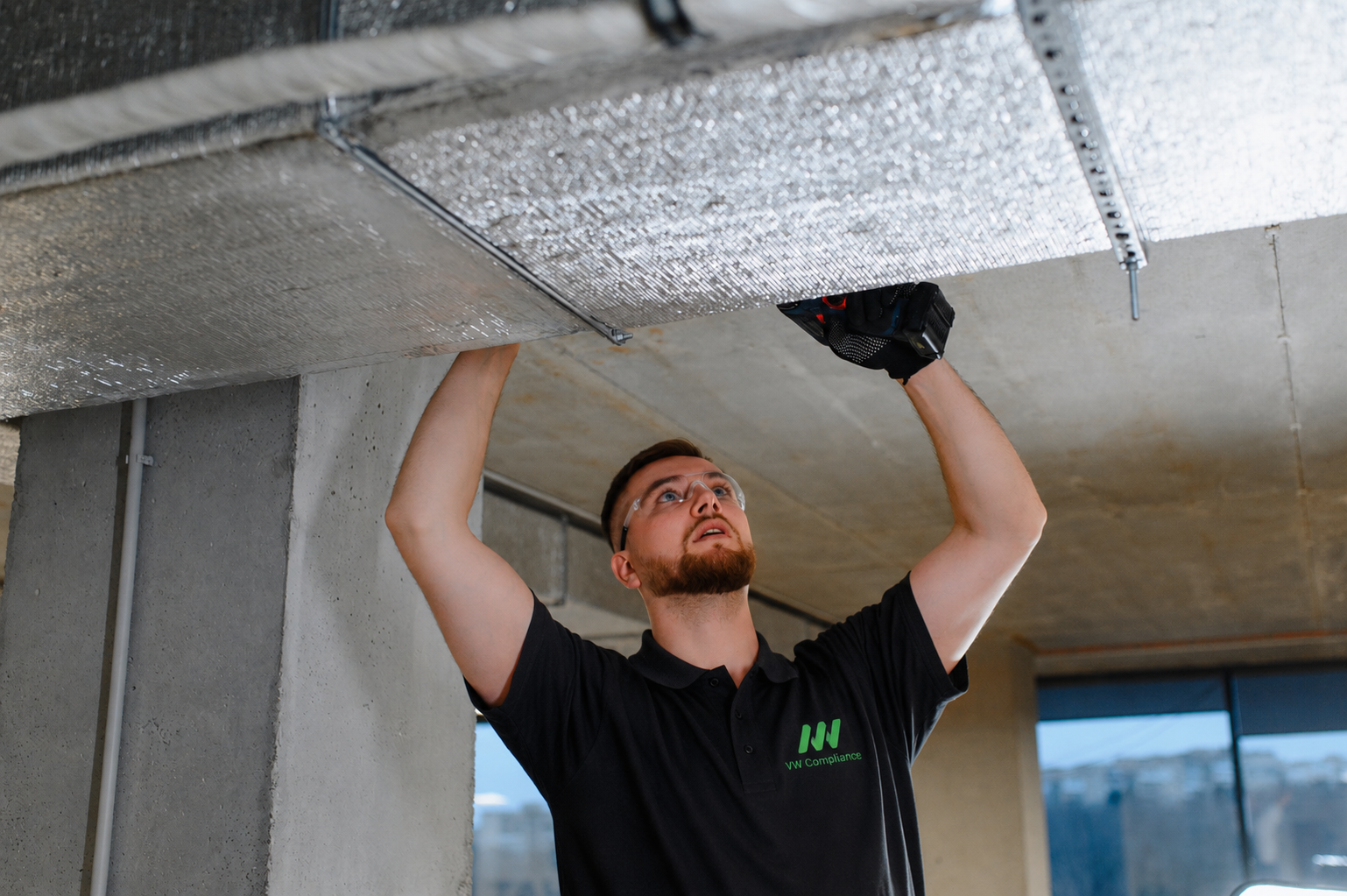
indoor air quality explained
What is Indoor Air Quality?
Indoor air quality describes how pure the air is within a building.
Contaminants that affect the quality include:
Particles: Dust, fibres and other small particles suspended in the air.
Gases and vapours: Substances associated with combustion, cleaning products, furnishings and building materials.
Biological material: Pollen, fungal spores and other airborne material.
Droplets: Small liquid droplets that may carry substances or biological material.
The air inside your premises is influenced by the surrounding environment, activities within the building and the effectiveness of its ventilation.
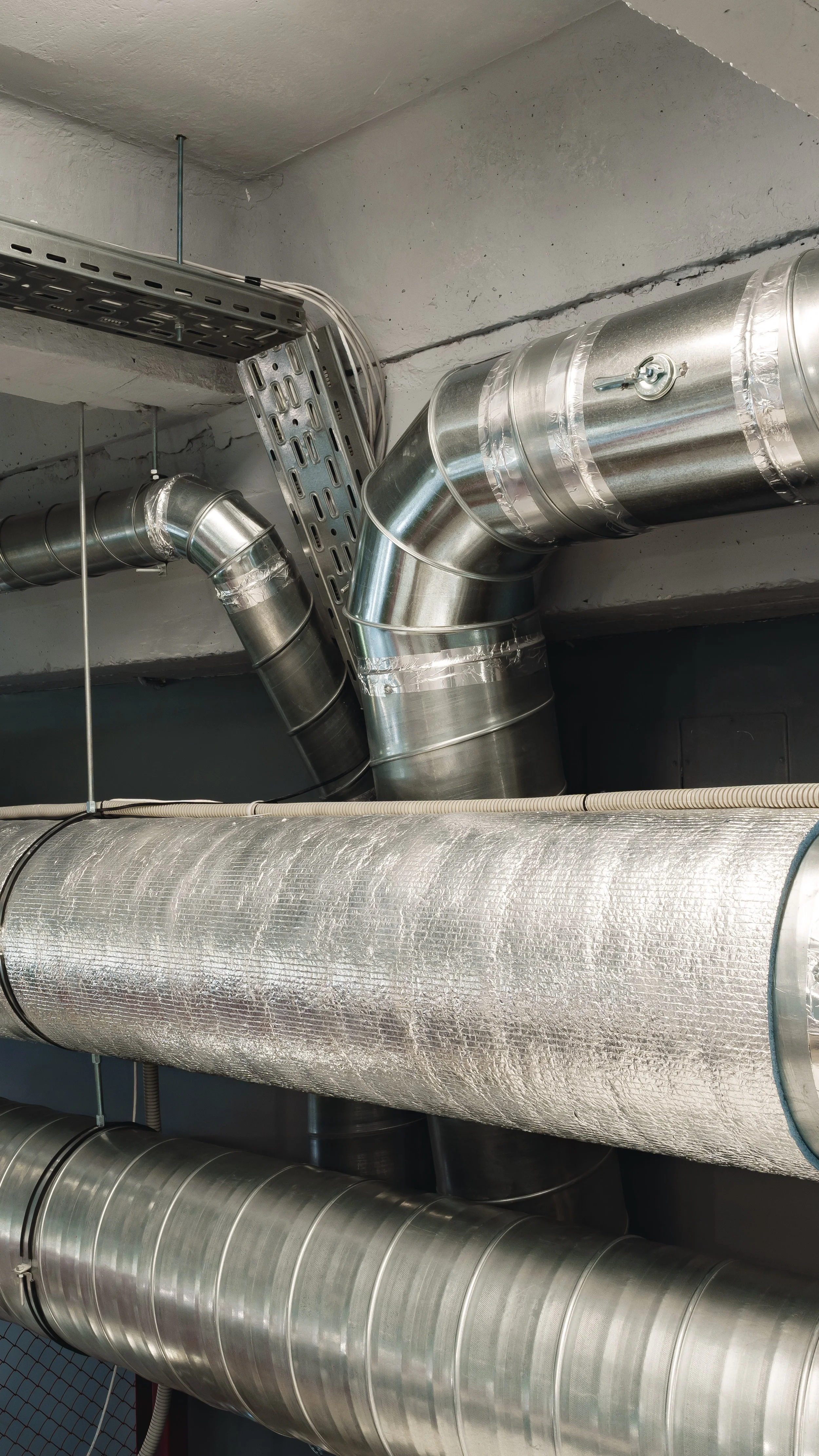
risk of poor air quality
What Are The Risks Associated With Poor Air Quality?
Airborne pollutants can harm your health, causing irritation, allergic reactions and respiratory problems. Building occupants may experience tiredness, headaches and have difficulty concentrating.
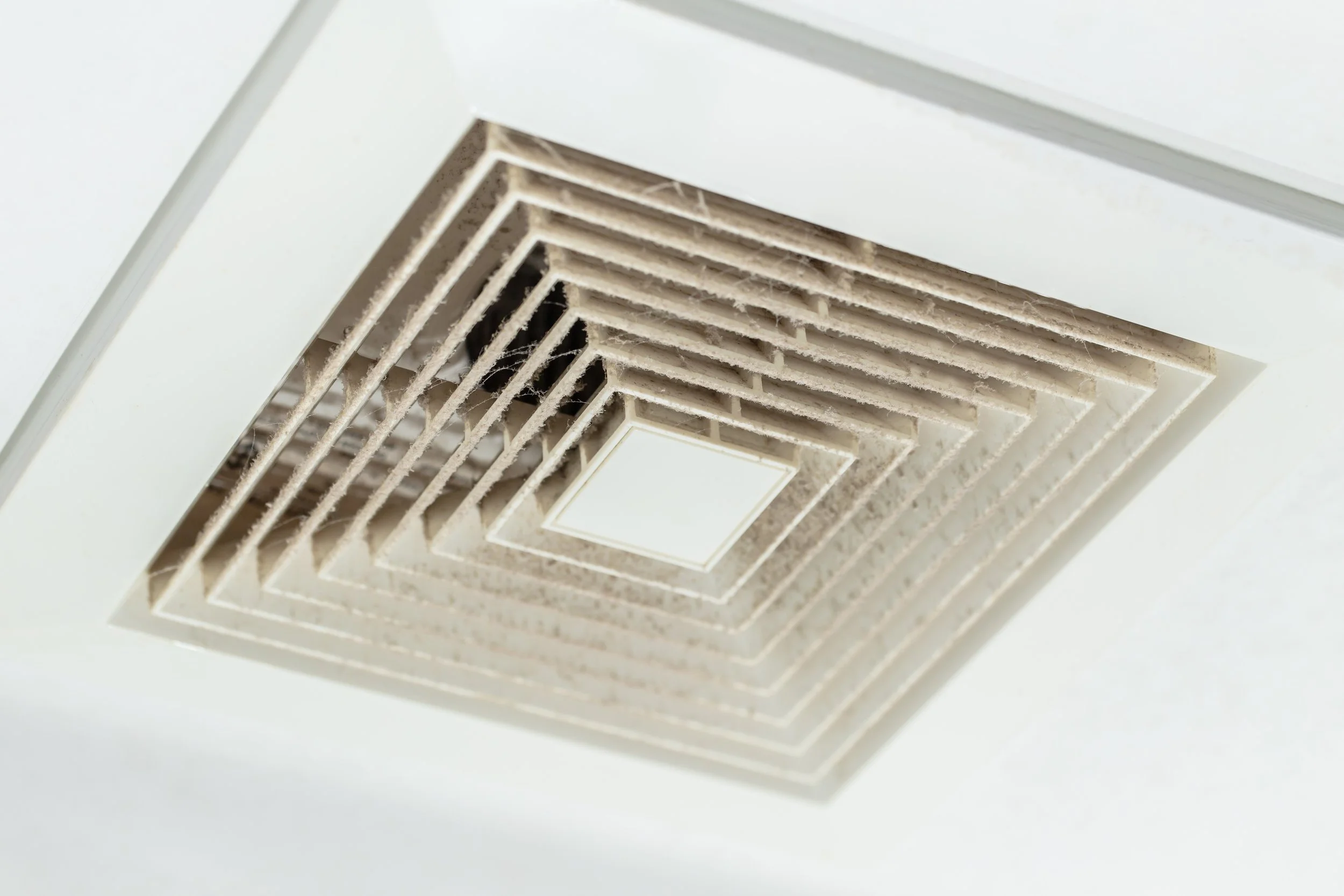
When dust and debris collect inside a ventilation system, moisture from condensation can create conditions that encourage mould and bacteria to grow. This can introduce further contaminants into the air and increase the risks to people using the building.
In hospitals and care homes, these concerns are particularly important because occupants may be more vulnerable to illness.
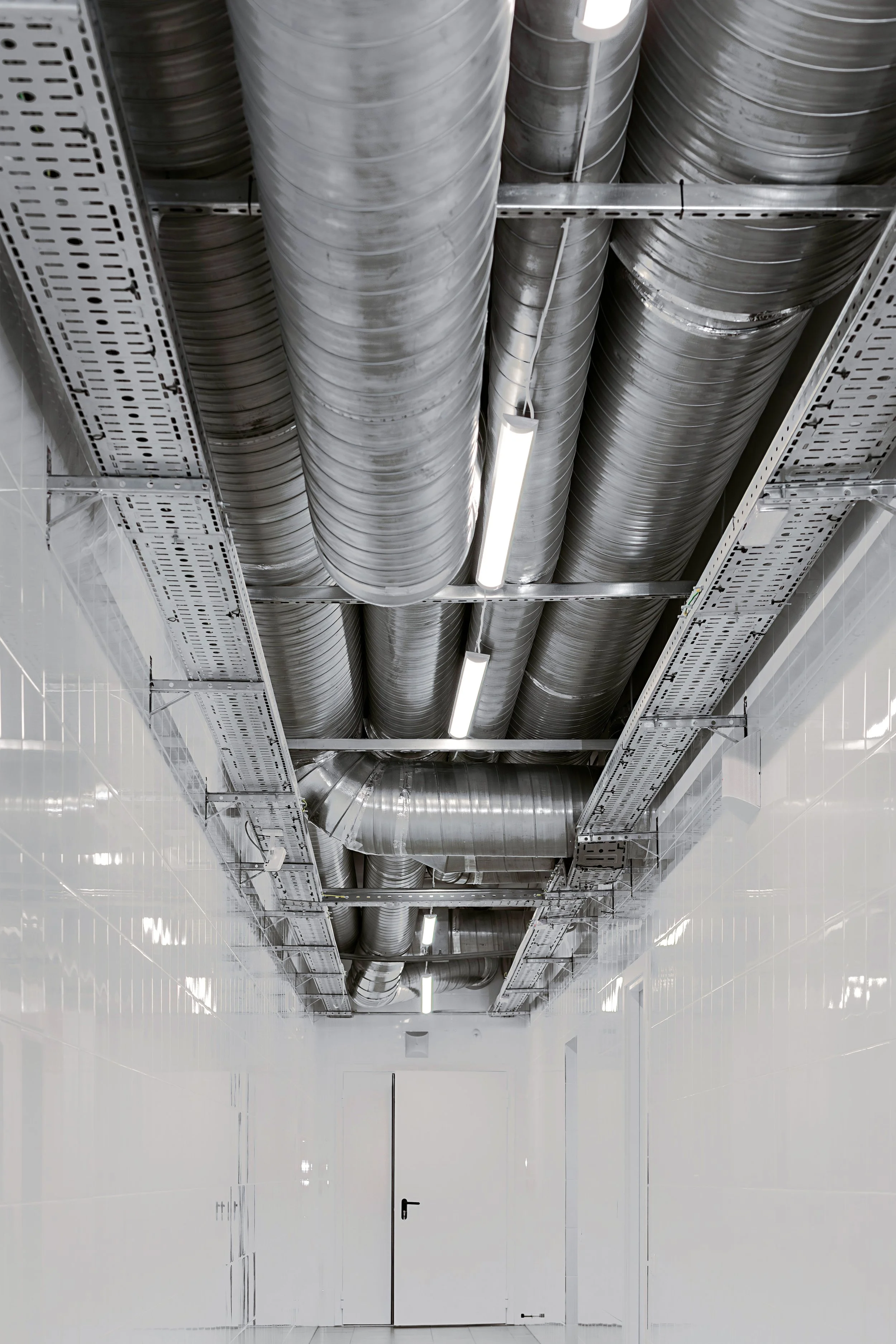
At VW Compliance we follow two industry-standard ways of testing- these steps must be taken to ensure the quality of the air is not compromised.
Indoor Air Quality Testing Services
Ventilation Hygiene Risk Assessment (VHA)
This examines the cleanliness of the ventilation system. A VHA includes:
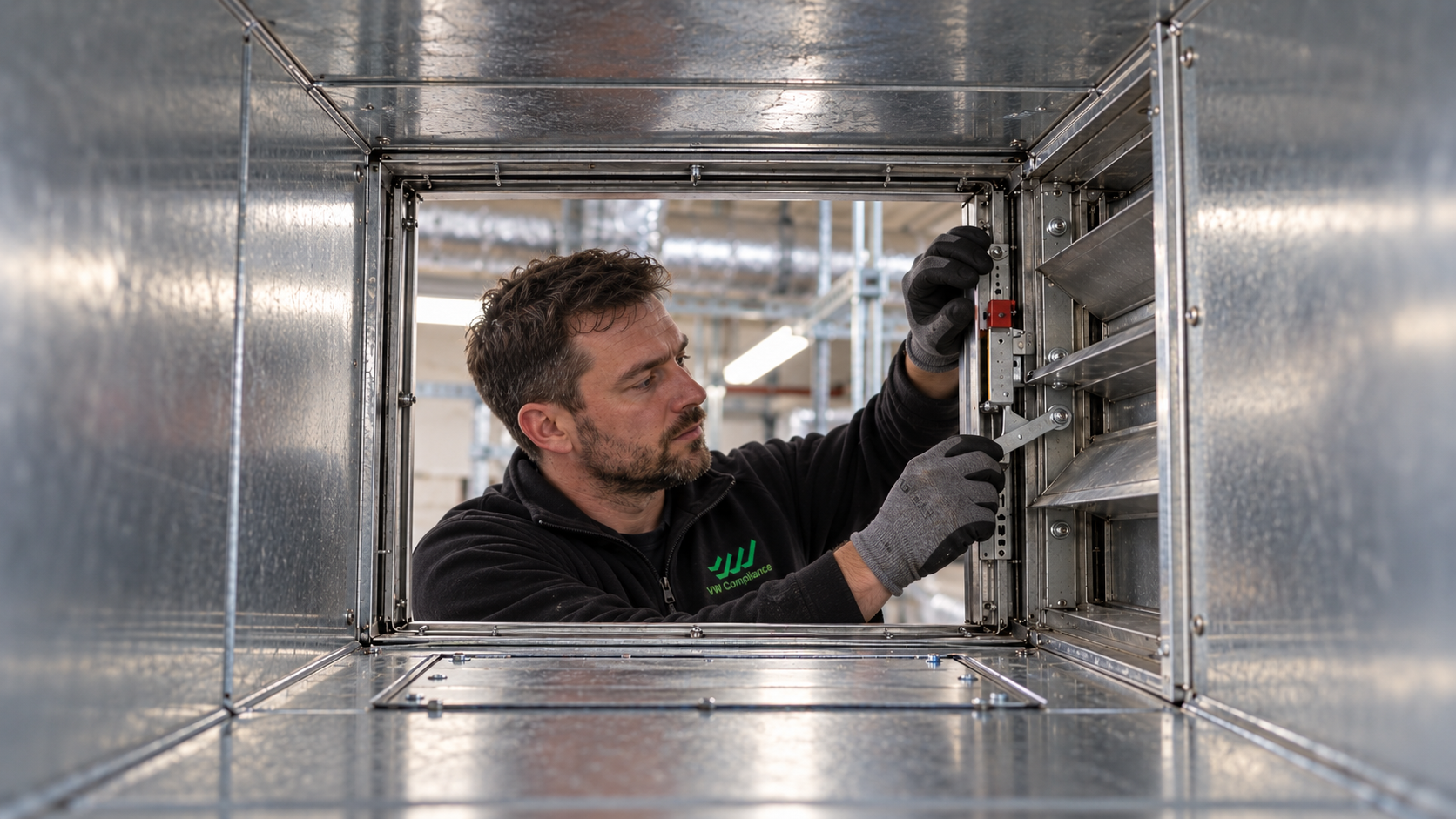
A visual survey of your ductwork system
Deposit thickness tests (DTT) to measure accumulated dust and debris.
Photographic evidence to record findings.
Advanced VHA may include:
Surface sampling: swabs used to collect samples for laboratory analysis of bacterial and fungal contamination.
Preferred vacuum testing (PVT): Dust collected from a defined area inside the ductwork for analysis of deposited dust levels.
Indoor Air Quality Assessment (IAQ)
This assessment examines conditions in occupied spaces. IAQ Includes:
Temperature and humidity measurements.
Testing for airborne particles.
Air sampling for bacterial or fungal analysis, where appropriate.
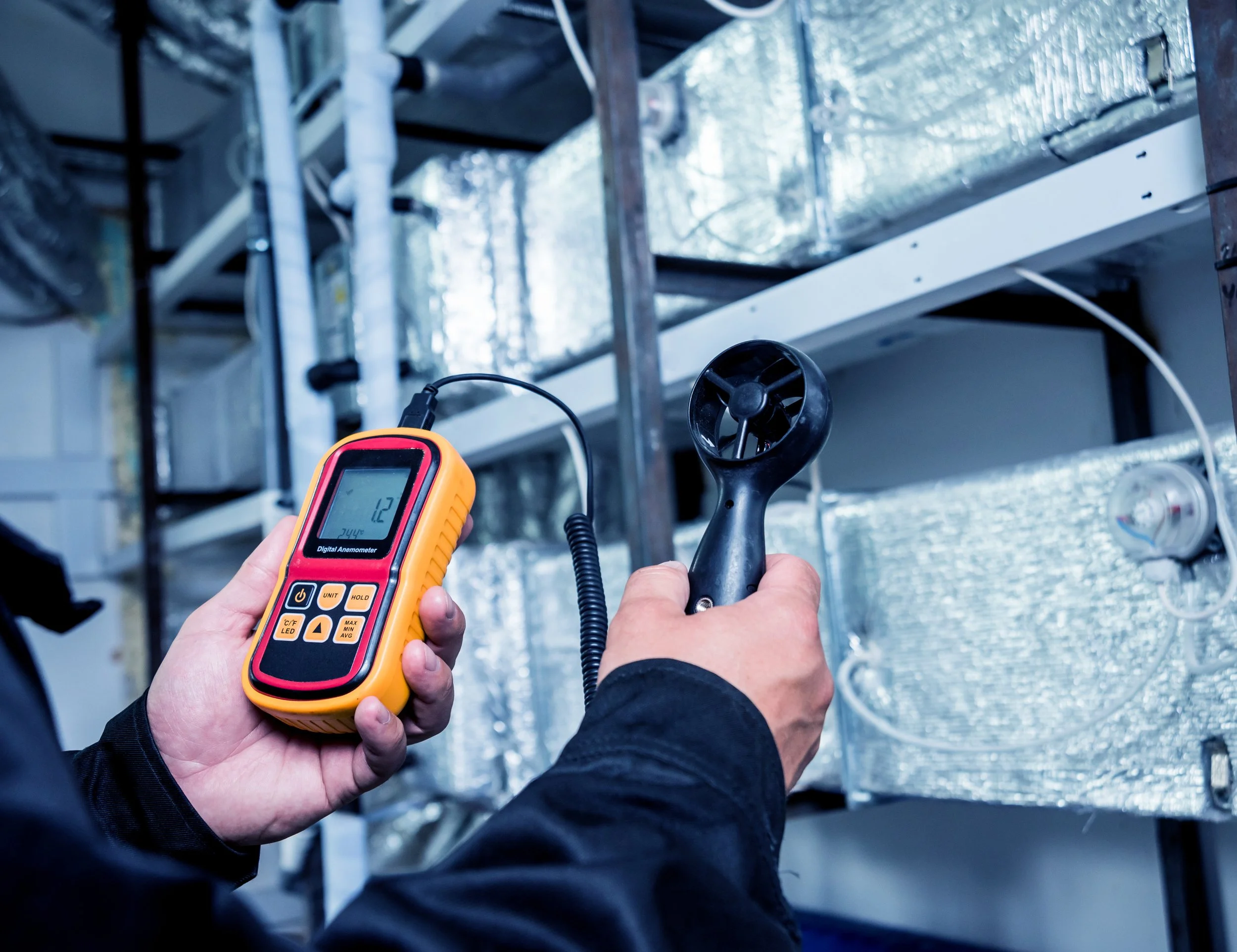
Ventilation airflow measurements.
Carbon dioxide monitoring to help assess ventilation.
Targeted testing for gases such as carbon monoxide, where relevant.
Ductwork inspection is a separate assessment and is not automatically included in indoor air quality testing
DUCT CLEANING SERVICES
➜
TR19® AIR COMPLIANCE
➜
VENTILATION & INDOOR AIR QUALITY SAMPLING
➜
AHU REFURBISHMENT
➜
DUCT CLEANING SERVICES ➜ TR19® AIR COMPLIANCE ➜ VENTILATION & INDOOR AIR QUALITY SAMPLING ➜ AHU REFURBISHMENT ➜
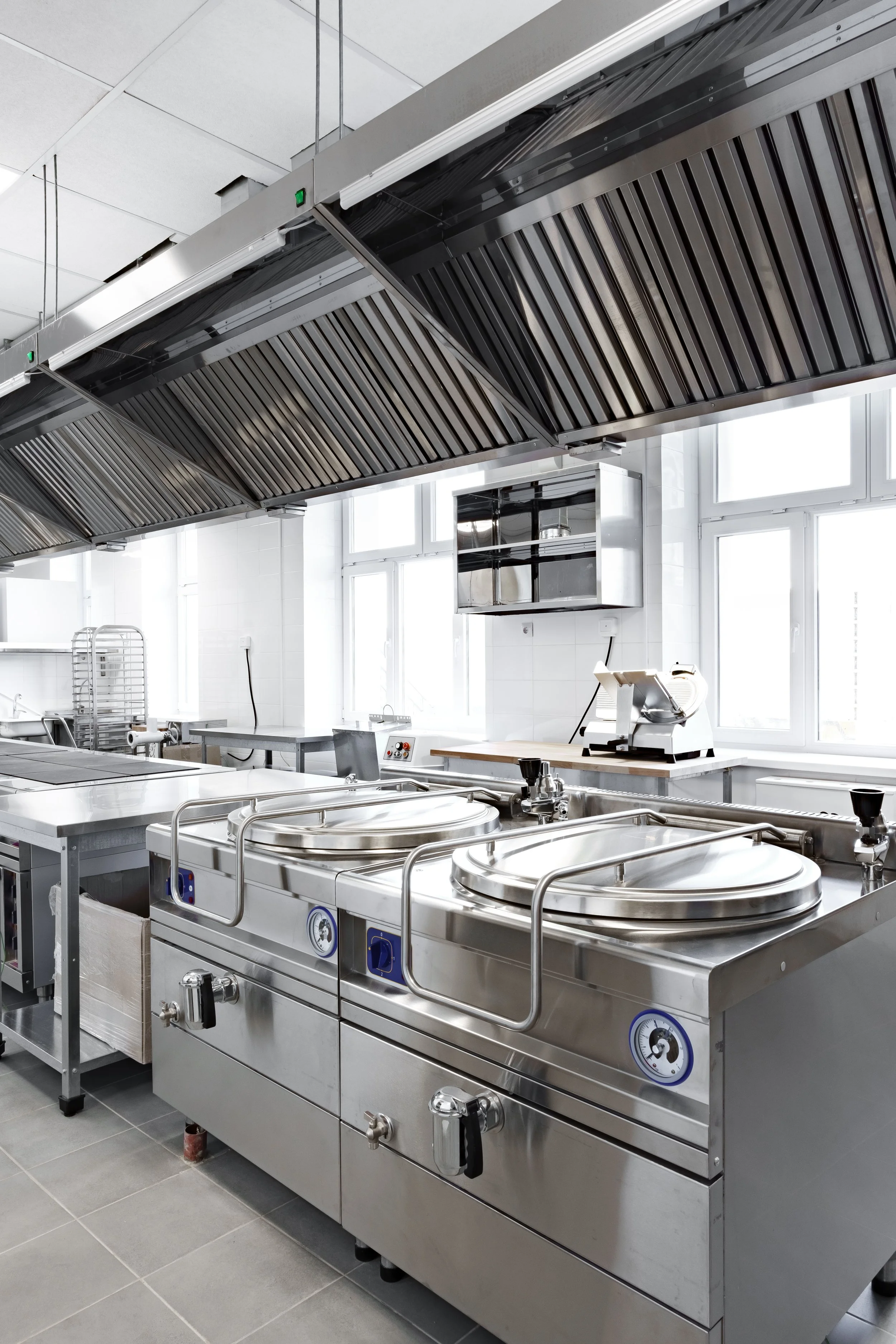
Why arrange air quality testing?
When Should You Book Indoor Air Quality Testing?
Persistent stuffiness, unusual odours or concerns raised by building occupants are good reasons to consider professional indoor air quality testing. An assessment can also be useful after changes in occupancy, alterations to your premises or concerns about how effectively your ventilation system is working.
Good indoor air quality relies on ventilation that removes stale air and supplies fresh air. Keeping ductwork clean and filters properly maintained helps manage contaminants, while appropriate filtration can reduce particles entering from outside, such as pollen and traffic pollution.
However, some contaminants cannot be seen or smelled, so a building that feels comfortable may still warrant investigation. Indoor air quality testing and sampling, alongside ventilation inspections, help you understand conditions within your premises and identify where action may be needed.
At VW Compliance, we can discuss your concerns and recommend a testing approach suited to your building.
Trusted by
VW Compliance has supported a wide range of commercial and public sector sites across the UK, from single sites to complex estates.


Why Choose VW Compliance?
At VW Compliance, we help you understand the air quality within your building and what you can do to improve it. Our indoor air quality testing service provides clear findings and practical recommendations, helping you make informed decisions about your premises.
We tailor our approach to your site, whether you’re investigating a specific concern or assessing general indoor conditions. Our experienced team works around your business to minimise disruption, explaining the results clearly and helping you identify the next steps.
Indoor air quality testing tailored to your premises
Clear reporting and easy-to understand resuls
Practical recommendations for improvement
Flexible scheduling around your business
Minimal disruption to daily operations
Experienced ventilation specialists
Frequently Asked Questions
-
Opening a window can help improve indoor air quality by reducing carbon dioxide levels and diluting indoor pollutants, but it isn’t always enough.
Although outdoor air is often considered fresh, it can carry pollutants such as vehicle emissions and pollen. Opening windows can also make it harder to maintain a comfortable temperature in buildings with heating or air conditioning, increasing energy use.
A well-maintained ventilation system, supported by suitable filtration and regular ductwork cleaning, helps manage indoor air quality more consistently throughout the building.
-
Basic air quality monitors can provide useful readings, but they cannot detect every pollutant or replace a professional assessment. Professional air quality testing helps establish what needs measuring and how to interpret the results.
Where samples require laboratory analysis, the laboratory should hold UKAS accreditation for the specific tests being carried out. UKAS is the UK’s national accreditation body and assesses the competence of testing laboratories.
Contact VW Compliance to discuss the appropriate testing and sampling for your premises.
-
Air quality testing investigates conditions in occupied spaces. Ductwork inspection examines the condition and cleanliness of the ventilation system, including accumulated deposits. They answer different questions and may be used together where both room conditions and system hygiene need investigation.
-
No. Carbon dioxide monitoring can help identify potentially inadequate ventilation in suitable occupied spaces, but it does not measure other pollutants. A low CO₂ reading does not rule out problems such as airborne particles or gases from other sources.
-
The time required depends on the areas assessed and the testing methods used. Some investigations involve measurements during a site visit, while others require monitoring over a longer period. Samples sent for laboratory analysis will also need processing time. Discuss the expected timescale when arranging your assessment.
-
The next step depends on the findings. Further investigation may be needed to identify the source, or recommendations may involve ventilation adjustments, filter maintenance, moisture control or cleaning. Follow-up testing may be appropriate to assess the effect of any changes.
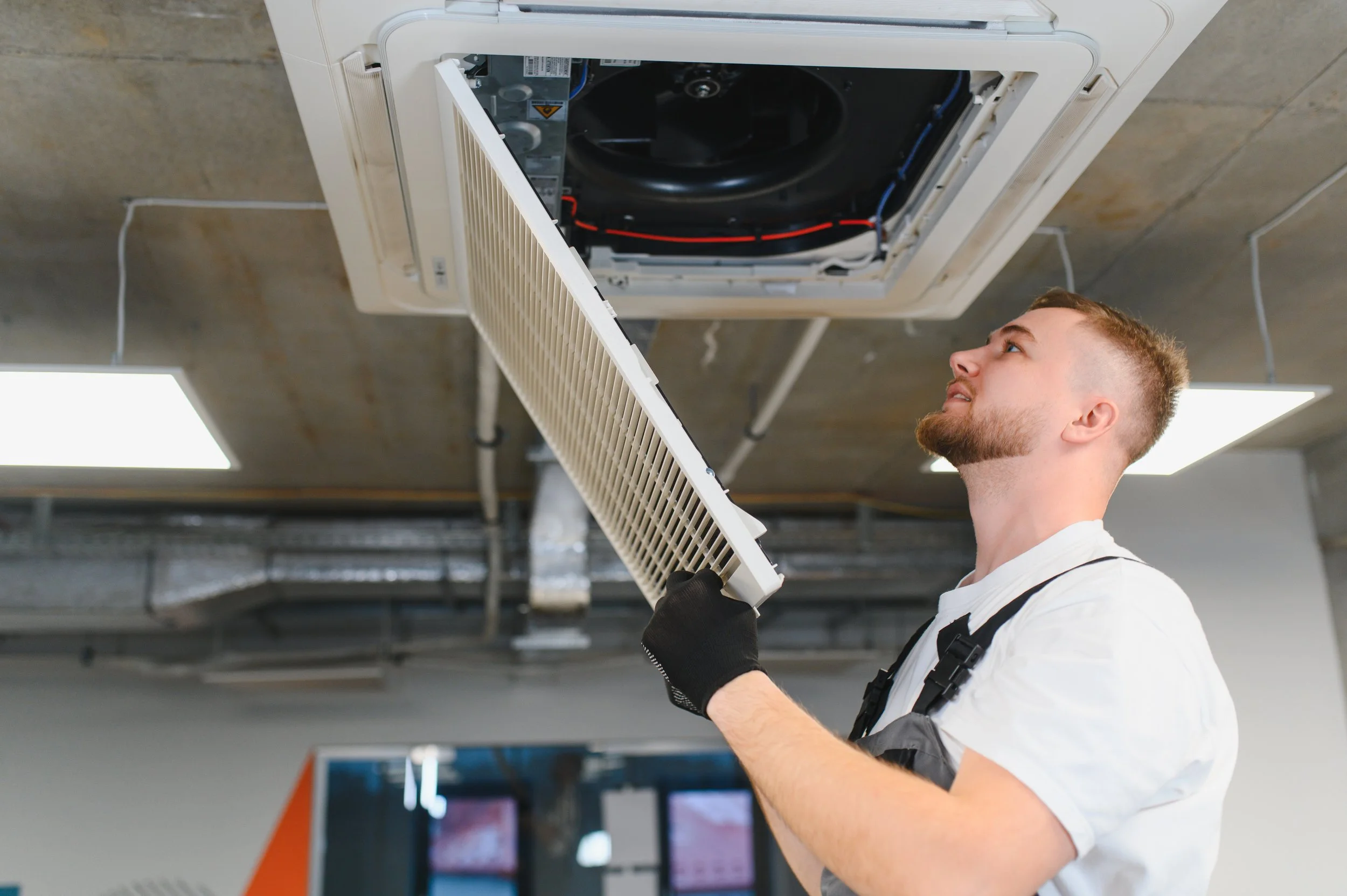
Take The First Step Towards Better Indoor Air Quality
Understanding your indoor air quality is the first step towards creating a healthier, more comfortable building. At VW Compliance, we provide professional indoor air quality testing to help identify potential concerns and guide practical improvements, so you can make informed decisions about your building’s ventilation and the wellbeing of its occupants.
Contact our team to discuss indoor air quality testing for your premises.
Latest Stories