
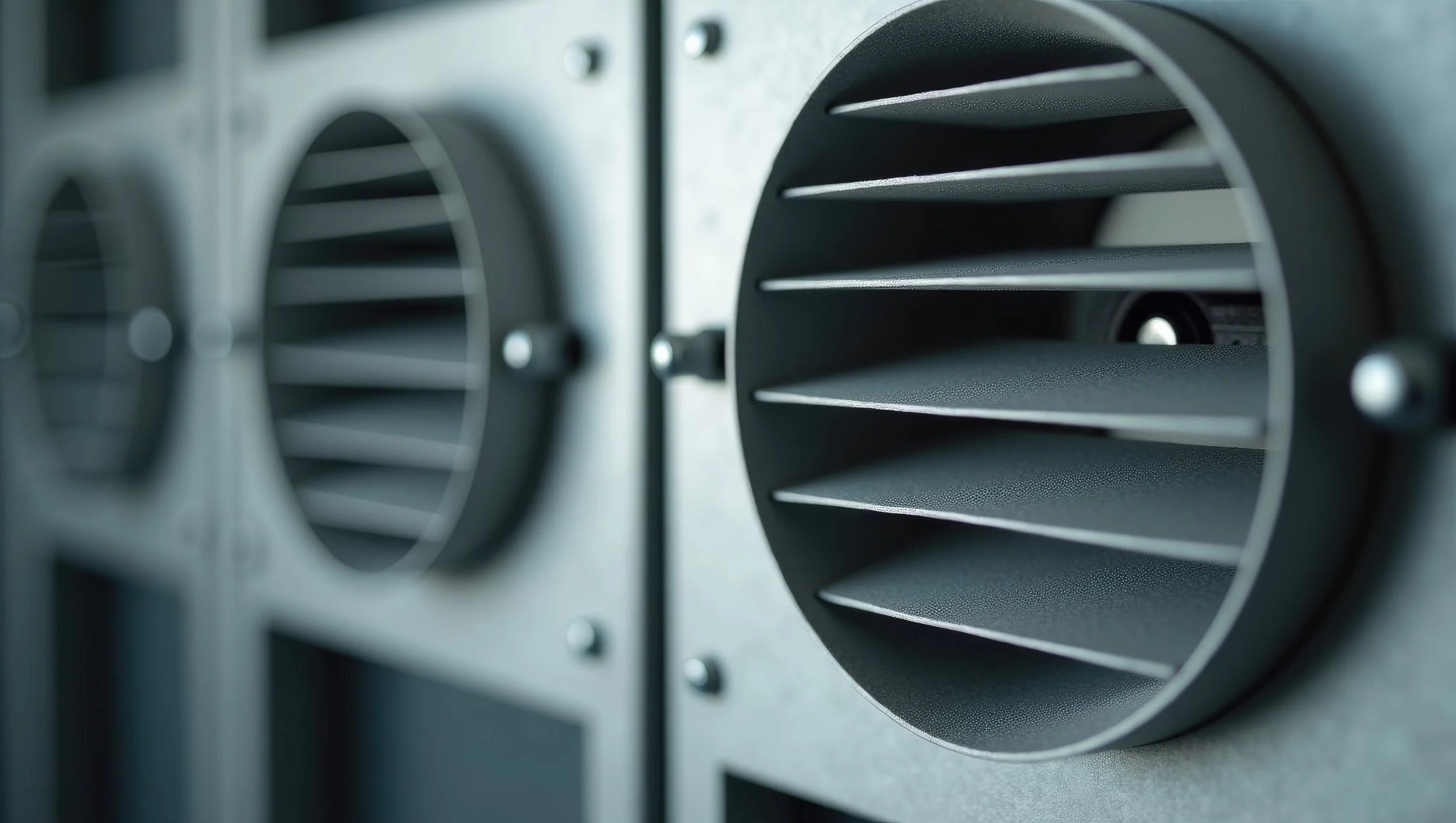
Fire Damper Testing
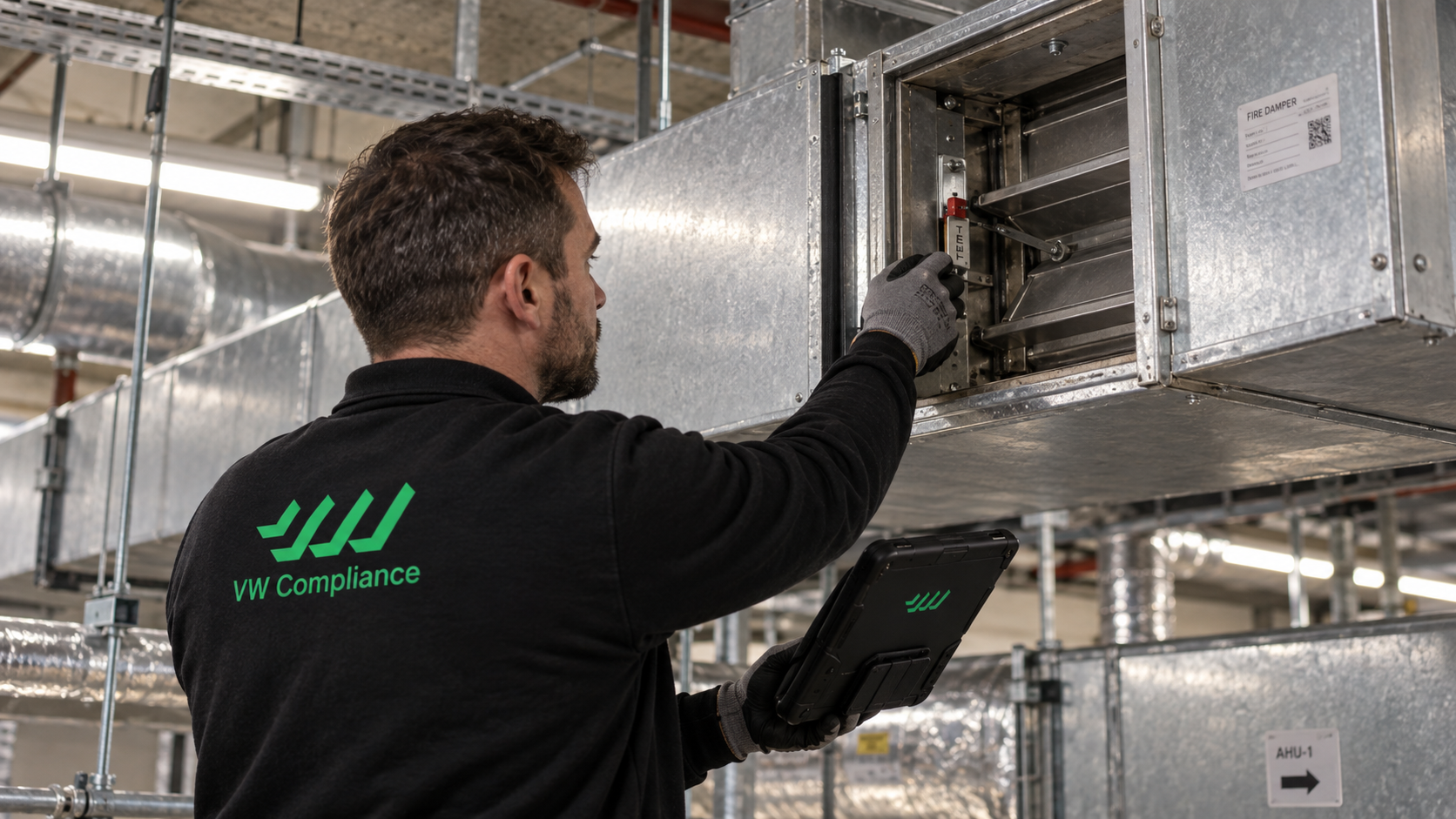
Given the critical role fire dampers play in protecting buildings and their occupants, it is essential that testing is carried out by qualified professionals. VW Compliance’s experienced compliance officers work in line with VHR and NAAD requirements, ensuring every inspection is completed to recognised industry standards throughout the UK.
fire damper compliance testing
Protect Your Premises with Fire Damper Testing
Fire dampers are a vital part of a building’s fire safety system. They help slow the spread of fire and smoke through ventilation ductwork, allowing occupants more time to evacuate safely.
Regular testing is essential, as corrosion, dirt build-up, damage or poor installation can prevent a damper from closing correctly in an emergency.
VW Compliance provides comprehensive fire and smoke damper inspection, testing, reporting and remedial services in line with recognised industry guidance, including BS 9999:2017 and the Regulatory Reform (Fire Safety) Order 2005. Our specialists thoroughly inspect each damper, document its condition and identify any defects that could affect its operation. You will receive clear pass-or-fail results and a complete audit trail for safety officers, insurers and regulators.
Where further action is required, we provide practical recommendations and can carry out the necessary remedial work, giving you a straightforward route to safer, properly maintained premises.
Accredited BESA members
Compliance specialists
37 years of combined expertise
Request Your Free Quote
Complete the form below and a member of our team will be in touch shortly to discuss your requirements and provide a tailored quotation.
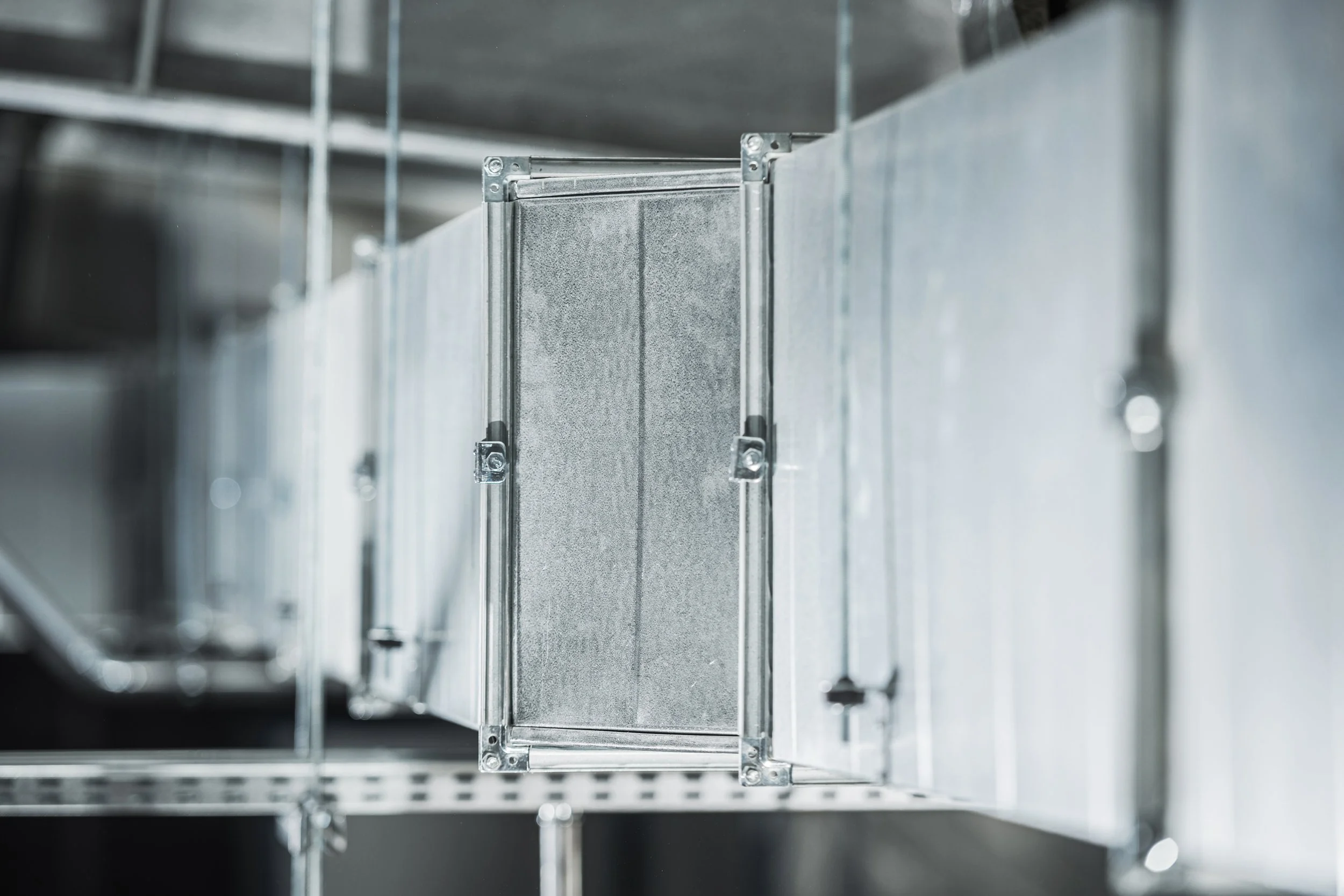
fire damper compliance
Fire Damper Testing Specialists
During a fire, flames and smoke can travel quickly through ductwork, worsening the damage, destroying escape routes and putting lives at risk. Making sure your fire dampers have been tested ensures your premises remain compliant and protected.
Many building managers are unsure whether their premises have fire dampers or even when they were last tested. As a NAAD member, VW Compliance provides professional fire damper inspection and testing in line with recognised industry standards, giving you a clear understanding of your systems, their condition and any action required to keep your building and its occupants protected.
trusted fire damper specialists
Fire Damper Testing & Documentation
By choosing VW Compliance, you gain an experienced compliance partner committed to protecting people, premises and the long-term integrity of your passive fire protection systems. Our comprehensive service covers every stage of fire damper compliance, from visual inspections and operational testing to detailed reporting, planned maintenance, and professional remedial works.

Fire Damper Visual Inspections
Thorough checks of damper accessibility
Assessment of condition and installation
Recording of visible damage or obstructions
Functional and Drop Testing
Full-cycle testing of damper mechanisms
Fusible link and actuator checks
Closure and performance verification
Fire & Smoke Control Damper Report
Detailed reports with photographic evidence
Clear compliance and testing records
Recommended corrective actions
Digital asset tracking and documentation
Fire Damper Remedial Works
Professional repairs to failed components
Planned preventative maintenance
Replacement part sourcing and installation
Prompt remedial support where required
Speak to an expert
Start your journey to compliance today.
fire and smoke control damper report
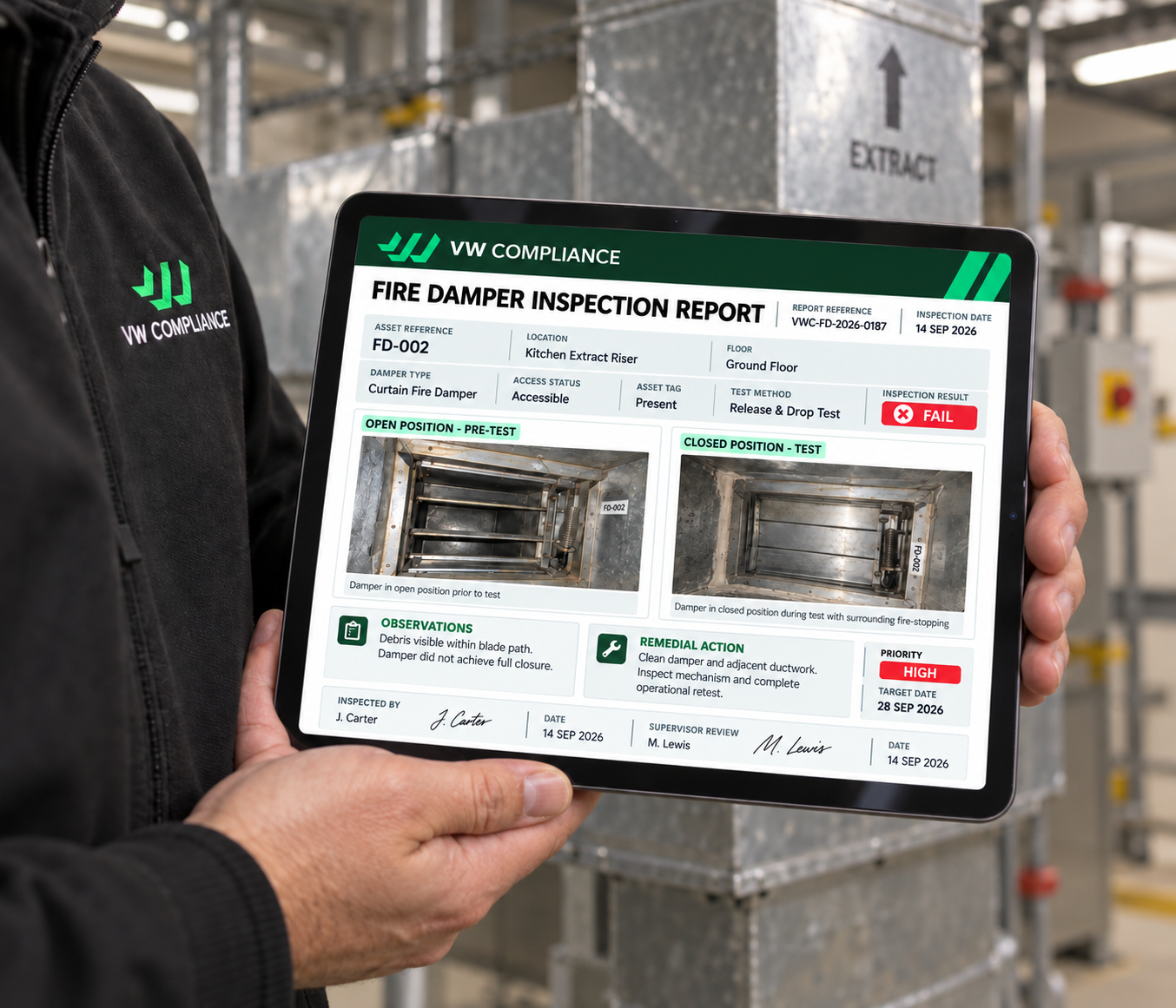
What’s Included in Your Compliant Fire Damper Report
A compliant fire damper testing report will include:
Damper location and ID: The location, asset number and type of each fire or smoke damper tested.
Access details: Confirmation of whether the damper was accessible, with photographs and recommendations where access was not possible.
Inspection findings: Notes covering the damper’s condition, installation and any defects identified.
Test results: A clear pass-or-fail result for every damper.
Remedial recommendations: Details of any repairs or further work required for failed, inaccessible or non-compliant dampers.
Photographic evidence: Images showing the damper before, during and after testing, including its open and closed positions where possible.
Professional sign-off: A dated record confirming who completed and reviewed the inspection.
the importance of fire damper maintenance
Fire Damper Maintenance Guidelines
Regular maintenance is essential to ensure fire dampers remain operational and can effectively restrict the spread of fire and smoke during an emergency. BS 9999:2017 recommends that fire dampers are inspected and tested at intervals not exceeding 12 months, with more frequent checks in dusty or polluted environments. In healthcare premises, annual testing should also be carried out in accordance with HTM 03-01 guidance.
Routine testing helps identify faults, prevent unnecessary wear and extend the working life of fire dampers. Most importantly, it provides reassurance that they will protect occupants and contain a fire when required.
Read our detailed guide on how often fire dampers should be tested in the UK to learn more.
Who We Work With
VW Compliance is trusted to deliver fire damper testing across commercial sites, from single sites to large-scale environments. We’re trusted by:


Experts in Fire Damper Testing
Ready to ensure your fire dampers are compliant and operating as they should?
Get in touch with VW Compliance today to arrange your testing, request a quote or speak with our team about our requirements. We’ll guide you through the process and provide a clear, compliant solution tailored to your building.
Prefer to speak to an advisor right away?
Call us on: 01268 690431 and we’ll be happy to help
Request a Callback
Fire Damper Testing: Areas We Cover
VW Compliance provides specialist fire and smoke damper testing across Essex and nationwide, delivering a reliable and professional service for organisations across a wide range of sectors.
With 37 years of combined expertise, our specialists support housing associations, councils, hospitals, care homes, hotels, restaurants, schools and facilities management companies . All testing is completed in line with BS 9999:2017, supported by detailed reporting and remedial recommendations to help keep your fire dampers compliant, effective and ready to operate when needed.
Basildon
Bristol
Chelmsford
Colchester
Essex
Kent
London
Manchester
Southend-on-sea
& More
Fire Damper Testing FAQ’s
-
The simple answer is yes it is a legal requirement– and regularly. There is a duty of care on those responsible for fire dampers to make sure they are both regularly tested, and tested when they are first installed on the premises.
British Standard (BS) 9999 2017 stipulates that any dampers installed require more frequent testing than previously thought (as mentioned above they need to be at least tested annually). The use of buildings code of practice ensures those responsible must make sure to test fire safety systems and to maintain them routinely.
Fire protection cannot be provided if devices/tools are faulty/out of date, thus proving the importance of testing fire dampers and ensuring they are cleaned to an optimal working condition.
-
A fire damper is a crucial component of a building's fire safety system. It’s installed in ductwork to prevent the spread of fire and smoke between rooms. When exposed to high temperatures, the damper automatically closes to contain the fire, protecting occupants and the structure. Regular inspections ensure that these dampers function correctly in an emergency.
-
In the UK, fire dampers must be inspected and tested at least once a year, as per building regulations (BS 9999). This ensures they remain fully operational and free of blockages or damage that could prevent them from working in an emergency.
-
During an inspection, a qualified engineer will locate and access the fire dampers within the ductwork, then test each one to ensure it closes properly. They’ll also check for any obstructions, corrosion, or damage, and document the inspection results. Any issues will be reported, and repairs will be recommended if necessary.
-
The building owner or facility manager is typically responsible for ensuring fire and smoke dampers are tested and maintained in accordance with safety regulations. It is important to hire a qualified professional to carry out the inspections, ensuring compliance and building safety.
According to the Regulatory Reform (Fire Safety) Order 2005, it is the employer’s responsibility to maintain their fire safety systems.
As the buildings responsible person if you are made aware of faults to any fire safety equipment and do not act on them, you could be held responsible for any implications and be prosecuted in a court of law.
If you run a business or own a building it is your responsibility to book regular fire damper tests and ensures that a proper maintenance plan is followed.
-
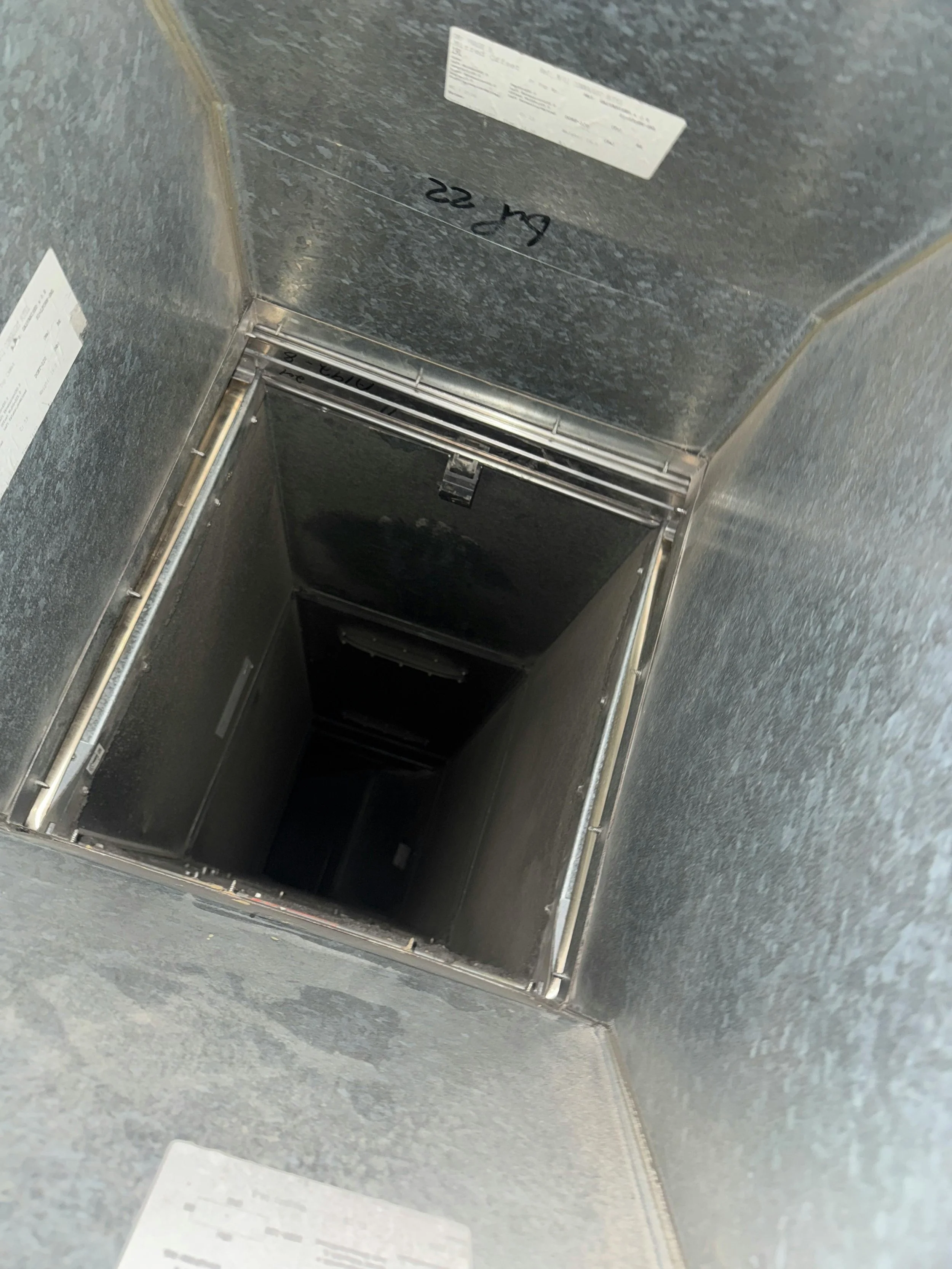
Foreign materials such as dirt, combustible dust, and debris can accumulate within the ductwork. These foreign materials can impair the proper functioning of the fire dampers, leaving the building occupants at risk in the event of a fire. Typical issues also include obstructions to access the fire damper, poor installation hinges damage to parts , misalignment, bent tracks, damper coil spring twist, corrosion, heavy contamination or damaged frames or blades.
It might take only one faulty damper to allow the spread of a fire, therefore it is imperative annual fire damper testing (i.e. fire damper drop testing) and inspections are completed by competent engineers.