
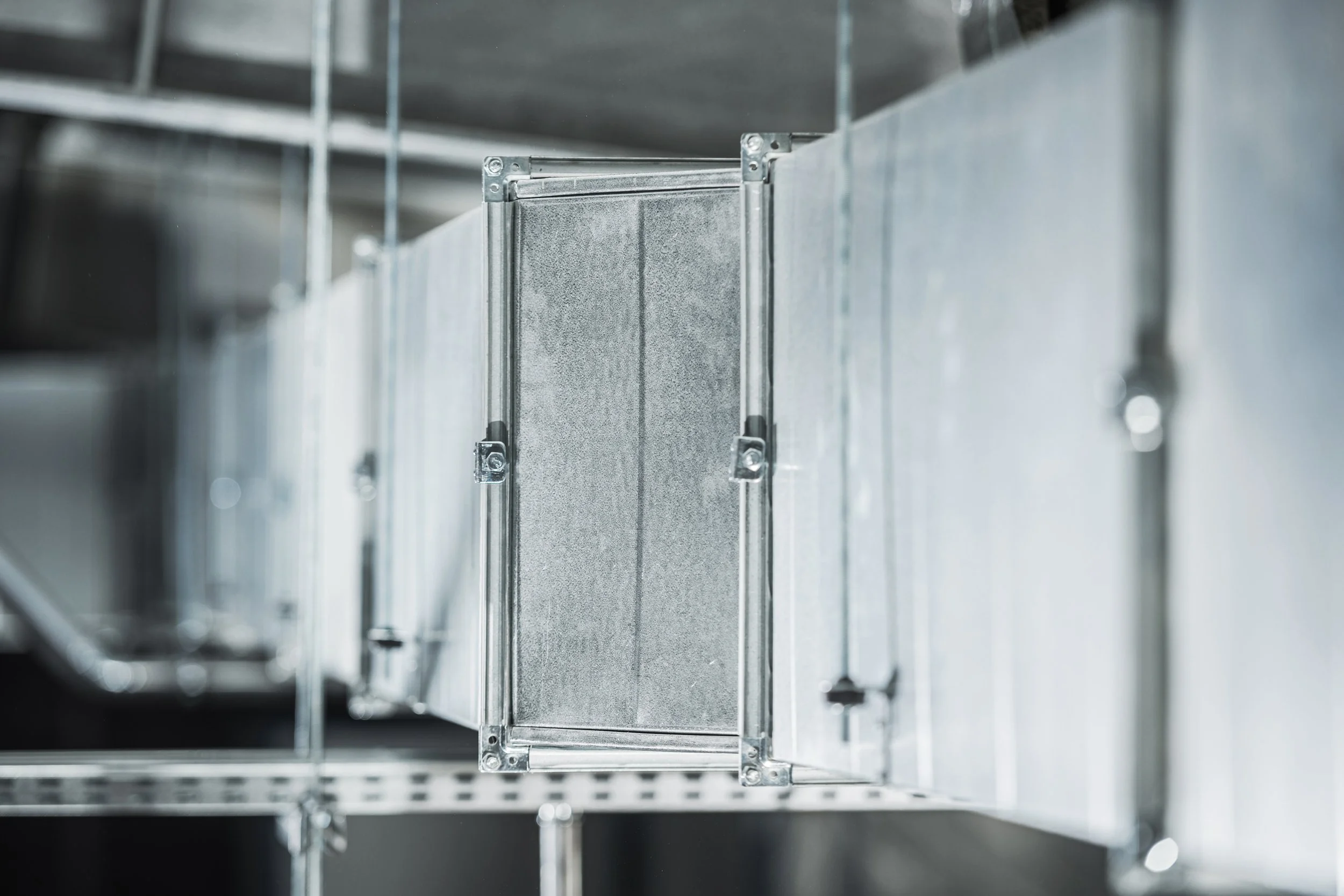
Fire dampers play an important role in protecting buildings during a fire by automatically closing to help prevent flames and smoke from spreading through ventilation systems and fire compartments. However, simply installing fire dampers isn't enough. Like any life safety system, they require regular testing and inspection to ensure they'll operate correctly when needed and that your building remains compliant with UK fire safety legislation.
If you're responsible for managing a commercial property, healthcare facility, school or other non-domestic building, understanding how often fire dampers should be tested is an important part of meeting your legal responsibilities.
In this guide, we'll explain the recommended fire damper testing frequency, the key UK regulations and standards you need to follow, and why regular fire damper inspections are essential for protecting your building, its occupants and your ongoing compliance.
Contents:
How Often Do Fire Dampers Need To Be Tested in the UK?
What Do UK Fire Damper Regulations Say?
Signs Your Fire Dampers Need Testing
Fire Damper Testing Frequency by Building Type
What Happens During a Fire Damper Inspection?
Why Regular Fire Damper Testing Matters?
Who is Responsible for Fire Damper Testing?
How Often Do Fire Dampers Need To Be Tested in the UK?
As a legal requirement, fire dampers should be inspected and tested by a competent person upon installation and at least once every 12 months thereafter, in accordance with BS 9999:2017, the British Standard for fire safety in the design, management and use of buildings.
However, some buildings may require more frequent inspections depending on their use, the environment they operate in and the level of fire risk. For example, commercial kitchen extraction systems are exposed to higher levels of grease, dust and airborne particles, which can affect the performance of fire dampers and may require more frequent testing.
Annual fire damper testing helps confirm that each damper operates correctly and will close as intended during a fire, helping to prevent the spread of fire and smoke through ventilation ductwork and maintain effective compartmentation.
What Do UK Fire Damper Regulations Say?
Fire damper testing is supported by several key pieces of UK fire safety legislation and industry guidance. Together, these place legal responsibilities on building owners, employers and facilities managers to ensure fire dampers are regularly inspected, tested and properly maintained.
UK legislation and British Standards provide clear guidance on inspection frequencies and ongoing maintenance to help keep buildings safe and compliant.
Key guidance includes:
The Regulatory Reform (Fire Safety) Order 2005 – This is the main piece of UK fire safety legislation for non-domestic buildings. It requires the Responsible Person to ensure fire safety systems, including fire dampers, are properly maintained and kept in efficient working order.
BS 9999:2017 – This British Standard provides guidance on managing fire safety in buildings. It recommends that fire dampers are inspected and tested at least once every 12 months as part of a planned maintenance programme.
BESA DW145 – This industry guidance explains best practice for the installation, inspection, testing and ongoing maintenance of fire dampers, helping building owners maintain safe and compliant systems.
HTM 03-01 – This guidance applies to hospitals and healthcare buildings. It sets out additional requirements for ventilation systems and recommends routine fire damper testing to help maintain patient safety and compliance.
The Building Safety Act 2022 – This legislation requires those responsible for higher-risk buildings to keep accurate, up-to-date records of important building safety information throughout the building's lifecycle. It also reinforces the need to demonstrate that fire safety systems, including fire dampers, are routinely inspected and maintained.
Failing to maintain and test fire dampers could leave a building non-compliant and increase the risk of fire spreading throughout the property.
Signs Your Fire Dampers May Need Immediate Attention
You shouldn't wait until your annual inspection if you notice any of the following:
Fire dampers cannot be accessed safely.
Damper blades appear damaged or seized.
Excessive dust, grease or debris around the damper.
Missing or incomplete maintenance records.
Previous inspections identified defects that have not been repaired.
Building refurbishment work has affected ventilation systems.
Addressing problems early can help avoid more costly fire damper remedial works and reduce compliance risks.
Fire Damper Testing Frequency by Building Type
While annual fire damper testing is the minimum recommendation under BS 9999:2017, some buildings may require more frequent inspections depending on their use, occupancy levels and overall fire risk. Higher-risk environments, including buildings with sleeping accommodation, vulnerable occupants or phased evacuation strategies, often require a more proactive approach to fire damper maintenance. The Building Safety Act 2022 has also placed greater emphasis on demonstrating ongoing compliance in higher-risk buildings, making regular inspection, testing and accurate record-keeping more important than ever.
Commercial Offices
For most office buildings, fire dampers should be inspected and tested every 12 months. Routine inspections help ensure ventilation systems remain compliant while giving building owners confidence that fire dampers will operate correctly if activated.
Healthcare Facilities
Hospitals, care homes and other healthcare settings often have more complex ventilation systems that require closer monitoring. In line with HTM 03-01, fire dampers should be tested at least annually, with additional inspections where systems operate in critical clinical environments or are subject to higher levels of use. Comprehensive record keeping is also essential for demonstrating compliance during inspections and audits.
Schools, Colleges and Universities
Educational buildings should also follow an annual fire damper testing programme. However, dampers serving specialist areas such as science laboratories, commercial kitchens and plant rooms may benefit from more frequent inspections due to increased wear or contamination. Many organisations choose to carry out testing during school holidays to minimise disruption.
Restaurants, Hotels and Commercial Kitchens
Buildings with commercial kitchens often experience an increased level of dust and airborne contaminants within their ventilation systems.These conditions can prevent fire dampers from operating correctly, meaning inspections may be required every six months, or more frequently where risk assessments recommend it. Regular duct cleaning should also form part of an overall fire safety maintenance programme.
Industrial and Manufacturing Facilities
Industrial sites often expose ventilation systems to higher levels of airborne particles. Depending on the environment, more frequent fire damper inspections may be necessary to ensure continued compliance and reliable operation. A site-specific risk assessment can help determine the most appropriate maintenance schedule.
What Happens During a Fire Damper Inspection?
A professional fire damper inspection involves much more than simply checking whether a damper is visible.
A typical inspection includes:
Visual inspection of the damper and surrounding installation.
Verification that access panels are suitable and compliant.
Functional testing to confirm the damper closes correctly.
Inspection for damage, corrosion or contamination.
Cleaning where required.
Resetting the damper following testing.
Recording asset information and photographs.
Issuing a detailed compliance report with recommendations for any remedial work.
Digital reports provide a clear audit trail and help demonstrate compliance with fire safety regulations.
Why Regular Fire Damper Testing Matters
Fire dampers spend almost their entire life hidden within ductwork, making it easy for faults to go unnoticed.
Without regular inspection, dampers can become:
Jammed by dust or debris.
Seized damper blades through corrosion.
Damaged during building alterations.
Inaccessible due to poor installation.
Unable to close correctly during a fire.
If a fire damper does not close as intended during a fire, flames and smoke can spread through the ventilation system, posing a serious risk to occupants, property and overall building safety.
Routine testing helps identify these issues before they become a serious safety concern.
Who Is Responsible for Fire Damper Testing?
The responsibility for maintaining fire dampers usually falls to the building's ‘Responsible Person’ under the Regulatory Reform (Fire Safety) Order 2005.
This may include:
Building owners
Facilities managers
Property management companies
Employers
Landlords of commercial premises
Professional Fire Damper Testing from VW Compliance
At VW Compliance, we provide professional fire damper testing services for commercial buildings across the UK, helping organisations meet their legal obligations while improving the safety of their buildings. Our team of specialists carry out thorough inspections, functional testing and detailed reporting in accordance with current British Standards and industry guidance.
Following every inspection, you'll receive a comprehensive digital report highlighting the condition of each fire damper, any remedial work required and the evidence needed to demonstrate compliance. Whether you manage a single property or multiple sites nationwide, we can help you implement a planned fire damper maintenance programme that keeps your building compliant and your occupants protected.
Need professional fire damper testing?Contact VW Compliance today to arrange a comprehensive inspection or discuss a tailored planned maintenance programme.
